What Is a Solopreneur? A Definition That Refuses the Guru List
A plain definition of solopreneur — what it means, how it differs from a small-business owner, and real examples of people who run the whole company alone.
August 31, 2026
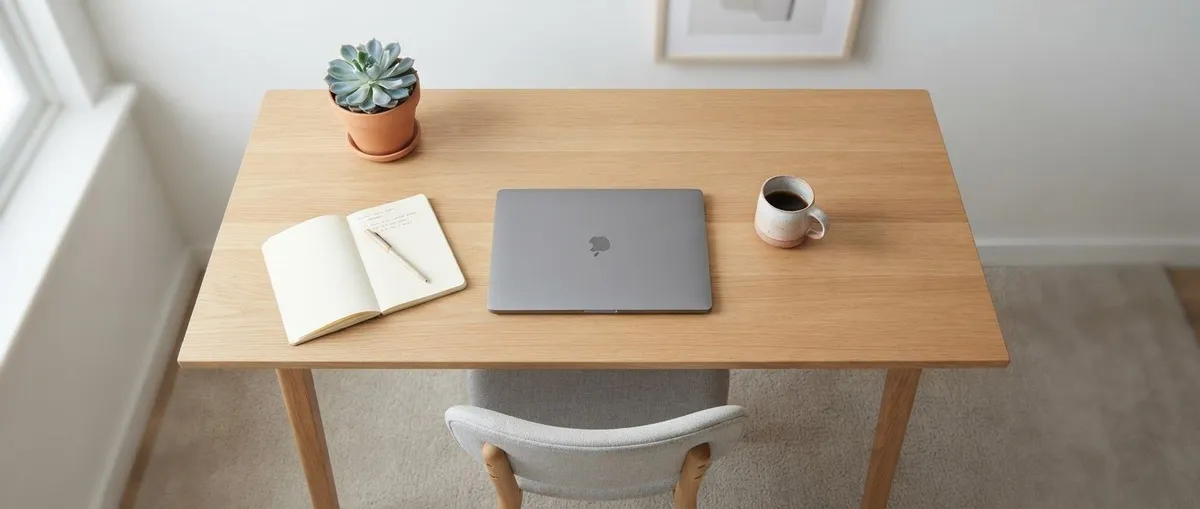
A solopreneur is someone who builds and runs a business entirely on their own — no co-founder, no employees, no team waiting in the next room to pick up the parts they’d rather not do. They are the strategy and the shipping department. The whole company is one person.
That’s the definition. It fits on a napkin. The reason “what is a solopreneur” gets searched so often isn’t that the word is complicated — it’s that most of the answers bury a simple idea under a pile of business-idea listicles and course upsells. So let’s keep it honest.
Define solopreneur, precisely
To define solopreneur cleanly, it helps to say what it isn’t:
- A solopreneur is not just self-employed. Plenty of self-employed people intend to hire and grow; a solopreneur has decided that one is the operating model, not a phase to escape.
- A solopreneur is not a small-business owner with a small team. The moment there’s a team, the core problem changes — you’re now managing, not just making.
- A solopreneur is not necessarily a freelancer. A freelancer sells hours to clients; a solopreneur often sells a product or a service they own end to end. (There’s real overlap — more on that in solopreneur vs. entrepreneur.)
The solopreneur meaning that actually matters is structural: every function of the business — making the thing, selling it, supporting it, keeping the lights on — routes through one person. That single fact shapes every decision that follows.
What that structure actually feels like
The romantic version is “be your own boss.” The real version is quieter and more demanding: there is nobody to hand the unfinished parts to.
If the invoice is wrong, you fix it. If the tool breaks at midnight, you’re the on-call engineer. If the design needs doing and you’re not a designer, you learn or you buy. Nobody absorbs the overflow. This is the tax of working alone — and it’s exactly why the tooling a solopreneur relies on has to be finished when they find it. There’s no team to finish it for you.
That constraint is not a weakness. It’s a filter. It forces a kind of discipline that larger operations can avoid: you cannot afford complexity you can’t personally maintain. Restraint stops being an aesthetic and becomes survival.
Solopreneur examples
The clearest way to answer “what is solopreneur” is to point at real shapes it takes. Some common solopreneur examples:
- The maker-seller — designs and sells their own digital products (templates, tools, courses), buy-once, no team. This site is one of them.
- The solo consultant — one person selling expertise directly, productized so it doesn’t depend on infinite hours.
- The indie developer — ships and maintains a small software product alone, deliberately keeping the surface area small enough for one person to hold.
- The one-person studio — a designer or writer who takes on client work but never scales into an agency, keeping the whole relationship personal.
What unites them isn’t the industry. It’s the decision: stay one, and make that constraint the point rather than the problem.
Is being a solopreneur “less” than being an entrepreneur?
No — it’s a different bet. The classic entrepreneur builds a machine designed to run without them and grow beyond them. The solopreneur builds a practice designed to run with them, sustainably, at a size one person can own completely. One isn’t a junior version of the other. They optimize for different lives. (If you’re weighing the two, the solopreneur vs. entrepreneur breakdown goes deeper, and staying small on purpose makes the case for the smaller bet.)
The example you’re looking at
The most useful solopreneur example is often the most concrete one. Merchant of One is a company of one: finished digital products — a course on restraint, template packs used on real client work, a few small tools — made and sold by one person who still does the work. Buy once, own it forever, revisions free.
It exists partly to be the answer to this question. A solopreneur isn’t a business plan waiting to grow up. It’s a finished way of working. If you’d like to see what that looks like in practice, browse the tools — or read the whole idea behind staying one.